What is a Microhabitat?
Step into the hidden corners of the natural world, and you will discover that nature is not just a collection of vast forests and endless oceans. Instead, it is a complex tapestry woven from millions of tiny, specialised environments.
While we often focus on the grand scale of the wild, nature is full of tiny spaces that power the wider ecosystem. These miniature worlds, known as microhabitats, are the unsung heroes of our planet’s ecosystems, providing sanctuary for an incredible array of life that would otherwise struggle to survive in the wider landscape.
By shifting our perspective and looking closer at the ground beneath our feet or the crevices in a rock pool, we can begin to understand the intricate balance that sustains life on Earth.
What is a Microhabitat?
At its simplest, a microhabitat is a very small, specific area within a larger habitat that possesses its own unique environmental conditions. These tiny pockets of life offer a distinct set of characteristics, such as different levels of light, humidity, temperature, and airflow compared to the surrounding area.
While a forest is a habitat, a single clump of moss on a north-facing tree trunk is a microhabitat. This small patch of moss stays damper and cooler than the rest of the forest, creating a perfect, bespoke universe for microscopic tardigrades, tiny insects, and specialised fungi. These miniature environments allow a diverse range of species to coexist in the same space by occupying different ecological niches.
Habitat vs Microhabitat
The primary distinction between a habitat and a microhabitat lies in scale and stability. A habitat refers to the broad environmental area inhabited by a particular species, such as a coral reef, a desert, or a temperate woodland. In contrast, a microhabitat is a localised “room” within that larger “house.”
For example, while many creatures live in the ocean, certain species of marine life might only be found within the empty shell of another animal. The conditions in a microhabitat can change much more rapidly than in a larger habitat; a small puddle may dry up in an afternoon, whereas a lake remains stable for centuries. Understanding these types of water habitats helps us see how the macro and micro levels work in harmony to support a resilient ecosystem.

How are Microhabitats Formed?
Microhabitats come into existence through a fascinating mix of biological, geological, and even accidental processes. Some are the result of deliberate engineering by animals that have adapted to manipulate their surroundings. For instance, a beaver building a dam or a bird weaving a nest is essentially creating a microhabitat with a climate controlled specifically for their needs. These creatures move materials to form shelter, inadvertently creating new homes for hundreds of other smaller organisms like spiders, beetles, and larvae that move into the nooks and crannies of these structures.
Nature also plays a powerful role through physical disruption and the passage of time. Violent storms may fell a massive oak tree, and as it crashes to the floor, it creates a log pile microhabitat that didn’t exist before. As the wood decays and ages, the tree changes shape, developing hollows and peeling bark that offer refuge to bats and woodlice.
Even human activity plays a vital role in the modern world. By leaving a patch of long grass in a lawn or building a bug hotel, people can actively support wildlife by creating artificial microhabitats that mimic natural ones. Engaging in outdoor conservation activities is a brilliant way to ensure these tiny sanctuaries continue to thrive even in urban environments.
Examples of Microhabitats
Microhabitats come in a variety of forms. There are small creatures in almost every environment that need microhabitats to survive.
Woodland Microhabitats
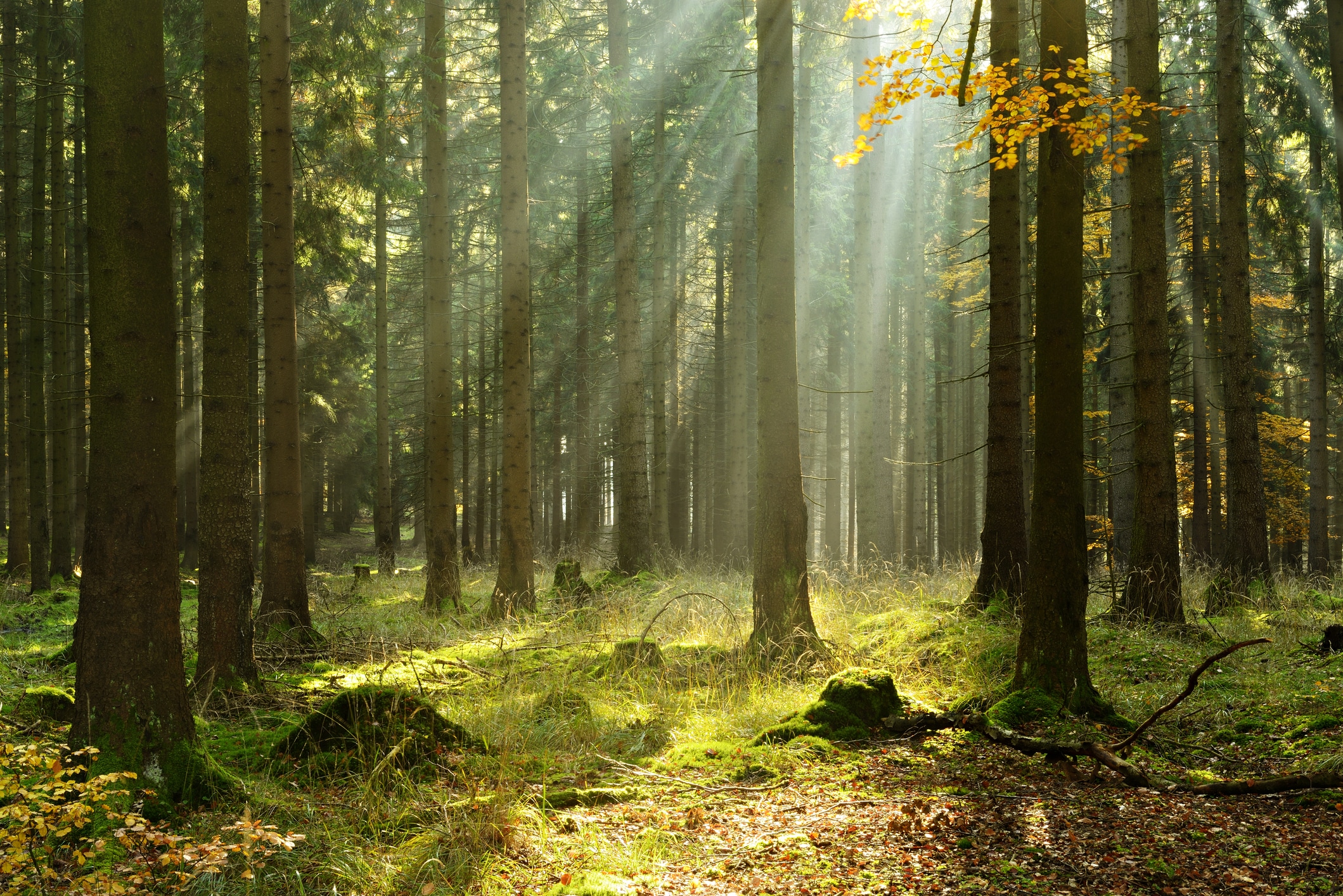
Within every woodland, the floor is a bustling microhabitat. A fallen log is perhaps the most common example, acting as a slow-release energy source. As the wood rots, it becomes soft and damp, providing a feast for stag beetle larvae and a humid home for amphibians like newts seeking shade. Nearby, the leaf litter creates a multi-layered carpet that insulates the soil, protecting ground-dwelling spiders and centipedes from the frost. Even high above, hollow trees serve as essential nesting sites for owls and roosts for various species of bats, proving that woodlands are vertical skyscrapers of micro-environments.
From these examples, you can see how a larger habitat comes together to form countless microhabitats.

Garden Microhabitats
You do not have to travel far to find incredible biodiversity, as gardens and green spaces are often teeming with microhabitats. A well-tended flower bed is a paradise for pollinators, but it’s the darker corners that hold the most variety. Compost heaps are incredible thermal microhabitats; as organic matter breaks down, it generates heat, attracting slow worms and grass snakes who use the warmth to incubate their eggs. Meanwhile, the underside of a simple paving slab can host a thriving colony of ants and slugs, protected from predators and the drying heat of the sun.
Coastal Microhabitats
The British coastline is home to some of the most resilient microhabitats on the planet. Rockpools are the ultimate example of a miniature ecosystem, trapping seawater as the tide goes out. Within a single pool, you might find anemones, limpets, and small crabs all thriving in a space no bigger than a kitchen sink. Further up the shore, sand dunes create their own micro-climates, where the seaward side is battered by salt spray while the landward slacks are sheltered and damp, allowing rare orchids and animals like toads to flourish in the calm.
Aquatic Microhabitats
Beneath the surface of the water, the complexity continues. In a river or pond, a single submerged stone can be a microhabitat for caddisfly larvae, which use the stone as an anchor against the current. Patches of reeds and floating lily pads provide cover for young fish and dragonfly nymphs, shielding them from larger predators. Even a small patch of silt at the bottom of a stream can be home to specialised worms and bacteria that play a crucial role in filtering the water, showing that every inch of the aquatic world is utilised by someone.
Microhabitat Poster

Why are Microhabitats Important?
Microhabitats are the foundation of a healthy planet because they provide highly specific conditions that many species simply cannot find anywhere else. For many rare or endangered creatures, a particular microhabitat is not just a preference; it is a necessity for survival.
By offering unique levels of moisture, protection, and food, these tiny spaces allow highly adapted species to thrive. Without the specific humidity of a rotting log or the shelter of a rockpool crevice, we would lose thousands of species of insects, fungi, and small vertebrates. This diversity makes the entire ecosystem stronger and more able to withstand changes like climate shift or disease.
Learn More about Microhabitats at Blue Planet Aquarium
Exploring the wonders of these miniature worlds is a journey of endless discovery, and there is no better place to start than at Blue Planet Aquarium. During your visit, you can get up close to various aquatic and land-based microhabitats, learning how our expert keepers recreate these delicate environments to ensure our residents stay healthy and happy. For those looking to dive deeper into the science of the natural world, our educational programs and school trips offer a fantastic opportunity to study these topics in detail, perfectly aligning with the curriculum to inspire the next generation of conservationists.
Nature’s most fascinating adventures are often told in its smallest details, so the next time you are out in the garden or walking through the woods, take a moment to look a little closer. You might just find a whole world waiting to be discovered.
If you’d like to explore some curated microhabitats alongside our expert team, book your tickets to Blue Planet Aquarium to secure your next micro-escapade.


