6 Fascinating Facts About Earth – Our ‘Blue Planet’
Earth: the planet we call home, but how much do we really know about it? Despite the mysteries it still holds, through modern scientific developments, we’ve learnt quite a bit about the Earth, and we’re delighted to be able to share some of that knowledge with you.
What Makes Earth the ‘Blue Planet’? A Quick Overview
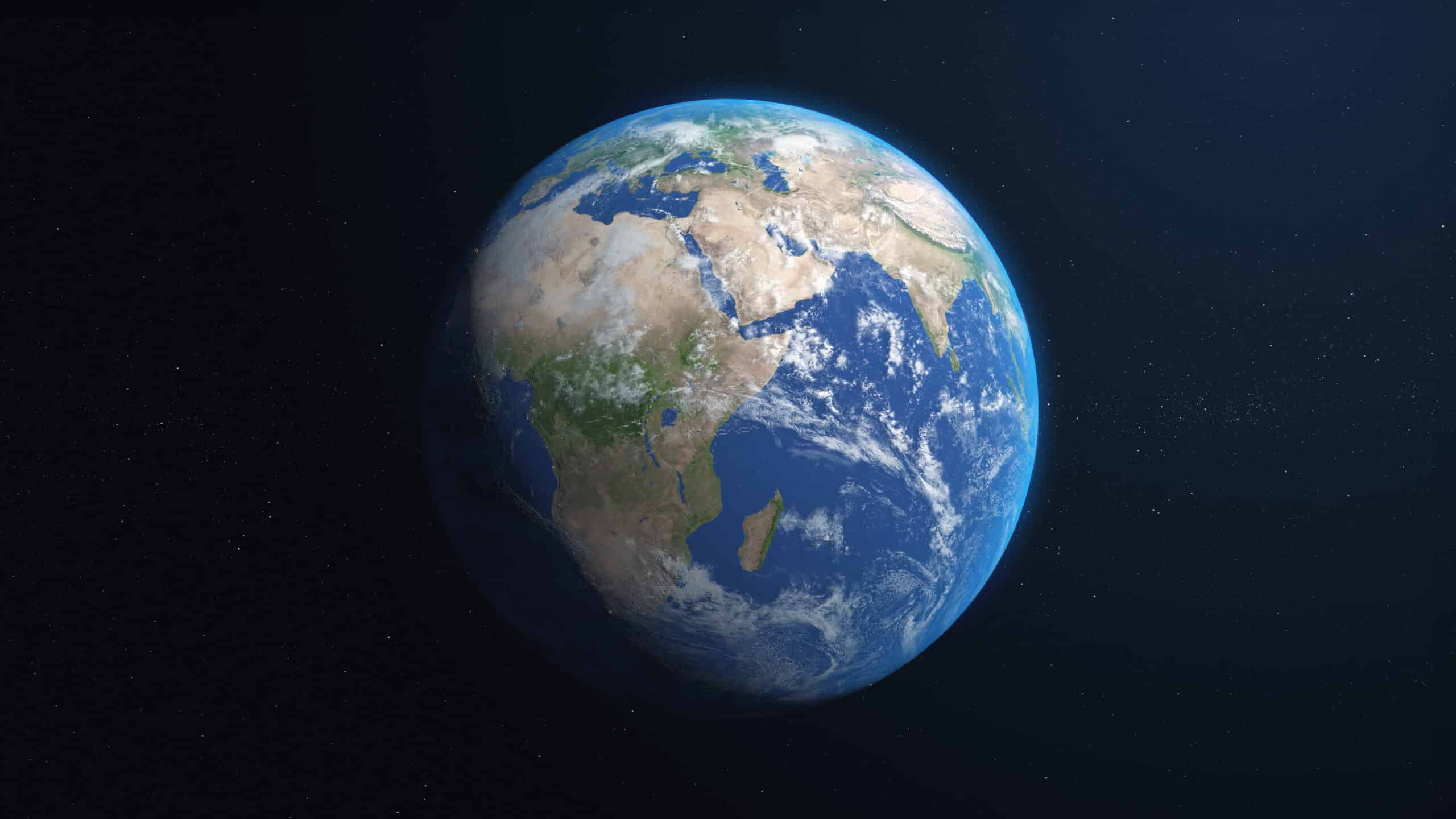
Before we dive into some fascinating facts, let’s take a step back and look at Earth as a whole. Our planet is often called the “blue planet”, and for good reason. Around 71% of Earth’s surface is covered in water, giving it that striking blue appearance when seen from space. Most of this water (about 96.5%) is found in the oceans, which are split into five main bodies: the Arctic, Atlantic, Pacific, Indian, and Southern Oceans.
These huge oceans form the largest habitat on earth, supporting an incredible variety of life. So far, scientists have discovered over 260,000 species in the sea, from microscopic plankton to giant whales. However, we’ve only explored about 5% of the ocean. That leaves a whole underwater world still waiting to be uncovered, full of new creatures, secret habitats, and incredible surprises.
6 Fascinating Facts about Earth
Earth is full of incredible surprises, especially when you take a closer look at its oceans and the life they support. From ancient creatures to microscopic organisms, our blue planet is bursting with fascinating facts, many of which are hidden beneath the waves.
Earth is around 4.5 billion years old
Scientists have calculated the Earth to be around 4.5 billion years old! They determined this by using chemistry, geology and physics to develop a method called radiometric dating, whereby they could understand the age of rocks and minerals. Over time, it has changed dramatically, with life forming within 600 million years and incredible major events that have led to today’s modern civilisation.

The Earth isn’t perfectly round
Even though we often think of Earth as a sphere, it’s actually slightly squashed. It bulges a little around the middle (the equator) and is flatter at the poles. This shape is called an oblate spheroid, and it’s caused by gravity and the planet’s rotation.
Tiny ocean organisms produce over half of the world’s oxygen
The ocean helps us breathe, thanks to tiny ocean organisms like phytoplankton, algae and bacteria produce over half of the world’s oxygen, thanks to photosynthesis. These drifting organisms actually create more oxygen than all the land rainforests combined!
Some creatures we see today have been around for millions of years
Certain creatures living today have existed for millions of years, surviving major changes on Earth. Species like the frilled shark, alligator gar and tuatara are all often called living fossils, having been around for over 100 million years.

The largest animal in the world lives in the sea
The blue whale holds the title of the largest animal to have ever lived on Earth – even bigger than dinosaurs! These gentle giants can grow up to 30 metres long and weigh as much as 200 tonnes.
Less than 10% of marine animals on Earth have been discovered
Scientists believe that less than 10% of marine animals on Earth have been identified so far. One big reason for this is ocean depth. The deeper you go, the darker and harder it becomes to explore. This means there’s still a huge number of species waiting to be discovered beneath the waves.

Why Protecting Earth Matters
Earth is home to millions of living species, from the animals we see every day to the countless creatures hidden deep beneath the ocean’s surface. Every ecosystem on our planet is connected, which means damage to one environment can have a ripple effect across the rest of the world. Unfortunately, human activity is putting increasing pressure on these delicate natural systems.
Climate change is causing ocean temperatures to rise, melting polar ice and disrupting marine habitats. Many sea creatures, including coral reefs, turtles, and fish species, are struggling to adapt to these rapid environmental changes. At the same time, pollution continues to threaten wildlife across the globe. Plastic waste, chemicals, and discarded fishing equipment often end up in the ocean, harming animals that mistake rubbish for food or become trapped in debris.
Protecting Earth is not just about saving individual species; it’s about preserving the balance of life that supports all living things, including humans. Healthy oceans help regulate the climate, produce oxygen, and provide food and livelihoods for billions of people around the world.
Even small actions can make a difference. Recycling, reducing plastic use, supporting conservation projects, and learning more about marine life all help protect our planet for future generations.
Discover More About Earth at Blue Planet Aquarium
If you’re fascinated by Earth’s incredible wildlife and oceans, there’s plenty more to explore at Blue Planet Aquarium. Home to a wide variety of marine life, reptiles, and birds, the aquarium offers the chance to get closer to some of the planet’s most amazing creatures while learning more about conservation and the natural world. With interactive experiences, exciting events, and expert talks throughout the year, it’s a great day out for visitors of all ages. Plan your visit and book your tickets online today!


